
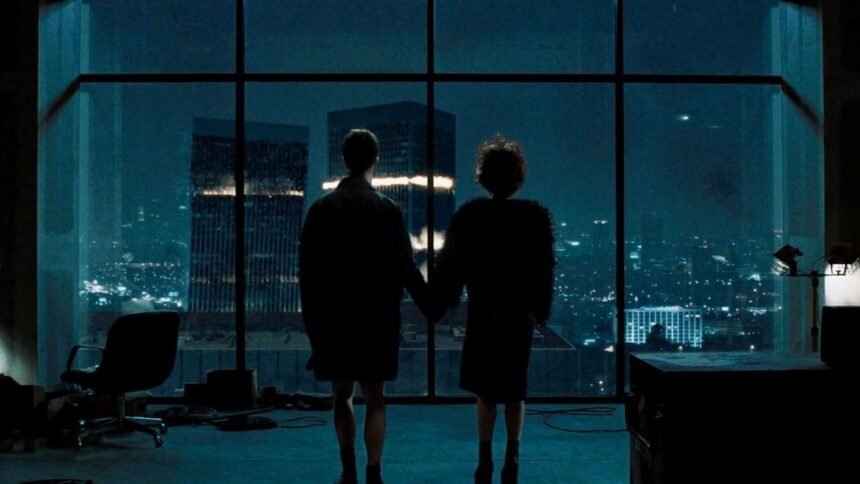
Introduction to Chaos
The cinematic world has seen its fair share of rebellious and thought-provoking films, but few have managed to capture the essence of primal male aggression and the search for meaning in a hyper-consumerist society as effectively as Fight Club. Directed by the visionary David Fincher, this psychological thriller has become a cult classic, continuing to fascinate audiences with its dark, subversive themes and unapologetic critique of modern life.
Latest Updates
Originally released with a production budget of $63,000,000, Fight Club went on to garner a significant box office revenue of $100,853,753, solidifying its place as a commercially successful film alongside its critical acclaim. The story follows an unnamed narrator, a white-collar worker suffering from insomnia, who finds an unconventional form of therapy by creating a fight club with a charismatic soap salesman. What starts as a means to deal with their frustrations soon evolves into a subversive movement that challenges societal norms and expectations.
What to Expect
Fight Club is not just a movie; it’s an experience that plunges viewers into a world of chaos and anarchy. With its gripping narrative, the film delves into themes of toxic masculinity, consumerism, and the search for identity in a postmodern world. The cinematic brilliance, coupled with outstanding performances, makes for a compelling watch that keeps audiences on the edge of their seats.
Cast & Characters
The film boasts a talented cast, with the narrator (played by Edward Norton) and Tyler Durden (played by Brad Pitt) at its core. The dynamic between these two characters drives the plot forward, exploring the complexities of their relationship and the ideologies they represent. The chemistry between the actors brings depth to the story, making the characters’ descent into madness both believable and terrifying.
Why the Hype?
So, why does Fight Club continue to generate so much hype? The answer lies in its ability to resonate with audiences on a deeper level. The film’s exploration of themes that are as relevant today as they were upon its release—such as disillusionment with societal norms and the quest for genuine human connection—strikes a chord with viewers. Moreover, its influence can be seen in many aspects of popular culture, from music and film to literature and social movements, cementing its status as a cultural phenomenon.

Conclusion
In conclusion, Fight Club is more than just a film; it’s a manifesto for a generation seeking change and authenticity in a world that often values neither. With its bold narrative, superb acting, and thought-provoking themes, it’s no wonder that this movie has become a staple of contemporary cinema. Whether you’re a long-time fan or about to experience it for the first time, Fight Club promises to leave you questioning the world around you and your place within it.