

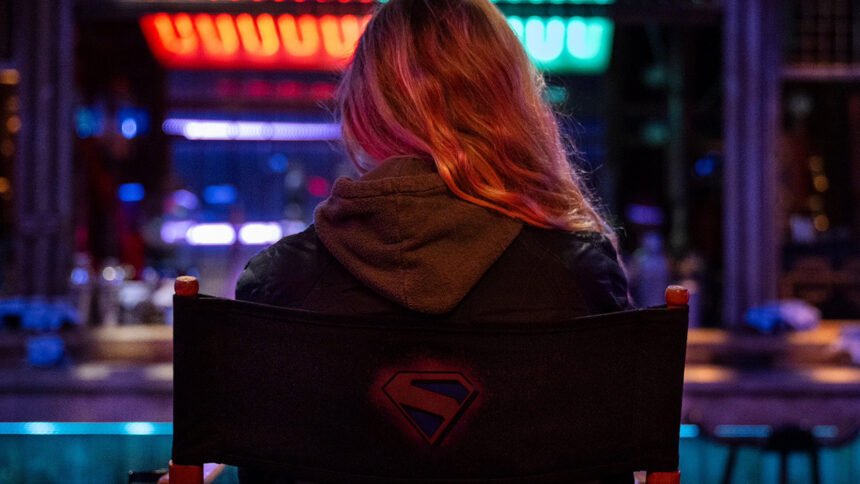
DC’s upcoming supergirl movie is one of the most talked-about entries in the fresh DC Universe (DCU) slate. The project has drawn attention not only for casting choices and its teaser, but because it signals a tonal pivot: a gritty, emotionally complex Kara Zor-El inspired by the Woman of Tomorrow miniseries. With James Gunn and Peter Safran overseeing the DCU, and Craig Gillespie directing, this isn’t the Supergirl of TV nostalgia — it’s a reinvention aimed at adult audiences and franchise builders alike.
Where the project stands (quick facts)
- Lead actor: Milly Alcock as Kara Zor-El / Supergirl.
- Director: Craig Gillespie (I, Tonya).
- Notable casting: Jason Momoa as Lobo; other names reported include Matthias Schoenaerts and Emily Beecham.
- Source material inspiration: Woman of Tomorrow (Tom King & Bilquis Evely) — a darker, more morally complex take on Kara’s story.
- Marketing push: official teaser released and widely covered; more promotional materials expected through 2026.
These load-bearing facts provide the framework for the rest of this article — we’ll unpack the teaser, what the casting choices imply, and why this movie may be important for the future of DC’s cinematic universe.

Teaser breakdown — tone, scenes and what they reveal
The official teaser positions the supergirl movie as a rugged space-western with emotional stakes. Instead of the bright, idealistic tone many associate with Kryptonians, the teaser introduces a hardened Kara who’s been shaped by trauma and exile. Key beats include:
- Shots of a battered, older-looking Supergirl in frontier-like settlements — visual cues that the film leans into Woman of Tomorrow’s “space frontier” aesthetic.
- Quick glimpses of a younger girl named Ruthye (a central figure in the comic who catalyzes Kara’s choices), hinting that the film will foreground a guardian/parental arc.
- Teases of Jason Momoa’s Lobo: a gritty, violent foil whose presence suggests at least part of the movie embraces an antihero/edge aesthetic.
Overall, the teaser telegraphs a deliberate distancing from family-friendly superhero fare — it wants to be morally complicated, emotionally heavy, and visually raw.
Casting: what Milly Alcock and Jason Momoa bring to the table
Milly Alcock is an emerging talent whose casting tells us DC is betting on a new kind of screen Kara — more world-weary and flawed than past versions. Alcock’s past performances show range and an ability to anchor emotionally complex roles, which aligns with the Woman of Tomorrow source material.
Jason Momoa as Lobo is a headline grabber. Lobo is a cult favorite: violent, larger-than-life, and morally ambiguous. Momoa’s casting indicates DC wants a high-charisma antagonist (or antihero) who can deliver physical spectacle and dark humor. Expect Lobo’s presence to shift some sequences toward high-octane confrontation.
Pairing a fresh lead with a major star is a common studio gamble: it attracts mainstream viewers while still giving the lead room to grow the character.

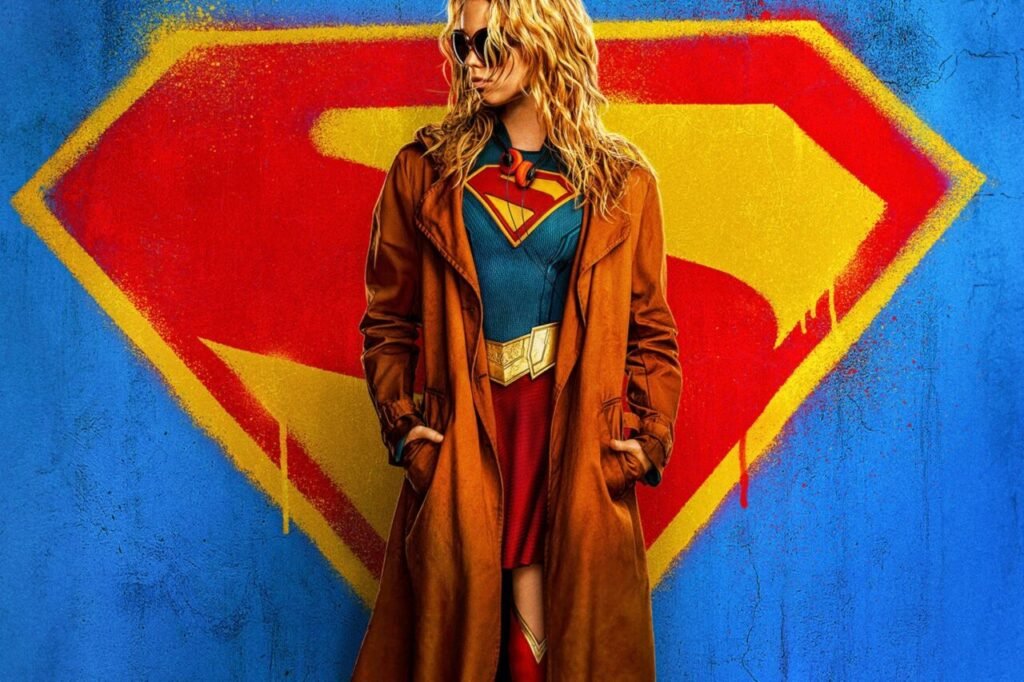
Story expectations: adapt or reimagine?
The supergirl movie appears to be a tonal adaptation rather than a frame-for-frame recreation of Woman of Tomorrow. Key themes likely to carry over:
- Trauma and reclamation: Kara is older, scarred, and forced to confront violent choices.
- Parental/guardian motifs: The surrogate relationship with Ruthye could become the film’s emotional core.
- Moral ambiguity: Rather than pure heroics, expect choices that complicate audience sympathies.
Adaptational changes are almost certain — runtime, franchise continuity, and desired audience rating will shape final details. Still, staying true to the comic’s emotional spine would make the film stand out among recent superhero fare.
Production & creative team — why Craig Gillespie fits
Craig Gillespie’s filmography (notably I, Tonya) demonstrates he can fuse dark comedy, pathos, and a humanized portrait of an outsider. That background suits the project’s need for both kinetic sequences and intimate emotional moments. James Gunn and Peter Safran’s oversight also means the film is likely to be calibrated against a broader DCU strategy, balancing standalone storytelling with universe building.
Marketing and fan reaction so far
Reaction to the teaser was immediate and polarized in parts — many fans praised the bold tonal shift, while a subset worried that Supergirl’s more troubled portrayal might alienate viewers who want a hopeful heroine. Social coverage has centered on:
- The novelty of the tone: “space western + superhero” feels fresh.
- Momoa’s Lobo casting: widely celebrated as a smart, edgy choice.
- Questions about rating and violence: will DC keep it PG-13, or aim higher for authenticity?
Studios will refine messaging based on early reactions; expect more character posters and a longer trailer clarifying stakes and tone.
How the supergirl movie could influence the DCU
- Diversity of genre: A gritty Supergirl would expand DC’s tonal palette, signaling that the DCU will mix lighter and darker properties intentionally.
- Character depth: Recasting a legacy hero as morally complex opens creative doors for deeper storytelling across the franchise.
- Audience segmentation: If successful, this film could show that mature, riskier superhero stories still draw sizable audiences.
If the film balances spectacle with character truth, it may become a model for integrating mature comic material into a mainstream cinematic universe.
Where to follow updates (authoritative sources)
For confirmed and high-quality coverage, monitor:
- Official channels: Warner Bros. Pictures / DC Studios announcements and official teaser uploads.
- Major trades: Variety, The Hollywood Reporter, Deadline — for casting and release updates.
- Entertainment analysis: Vulture, The Guardian, and music/visual breakdowns when trailers drop.
Bookmark those sources for the most reliable, up-to-date information.