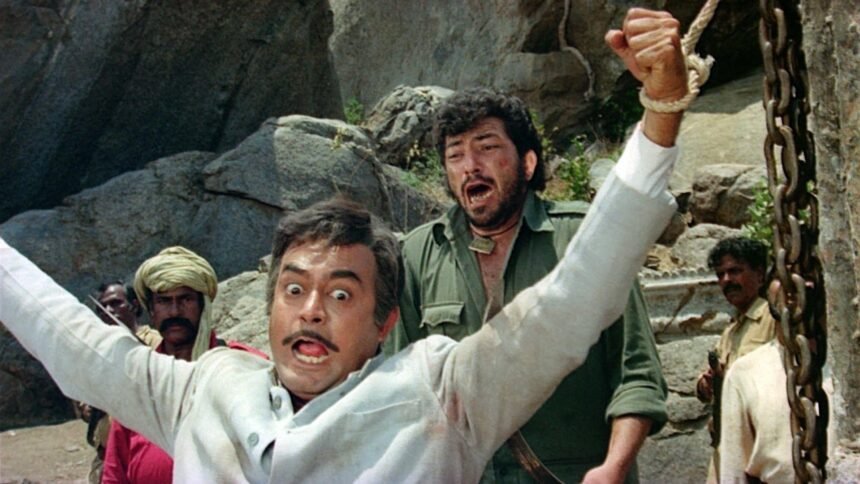
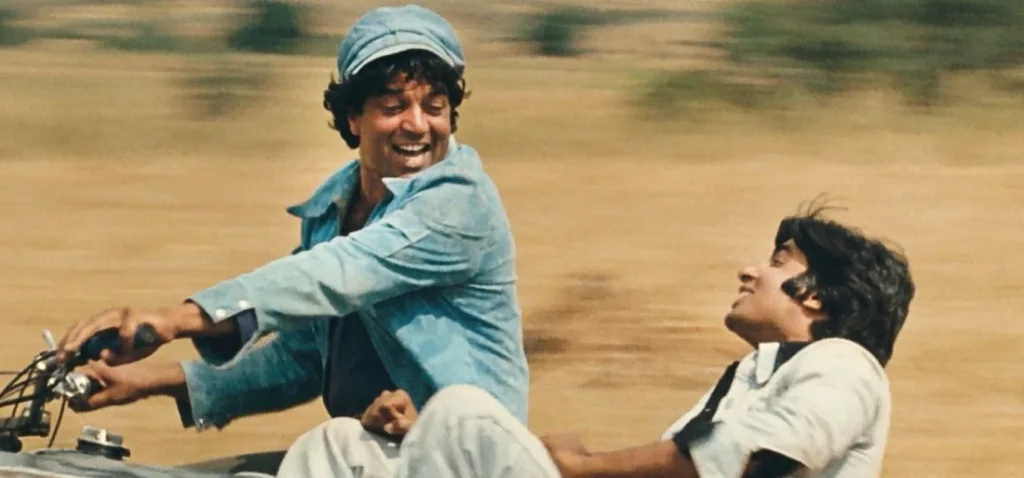
Few Indian films have the cultural weight of Sholay. When it first released on August 15, 1975, the film redefined what mainstream Hindi cinema could be: an action-packed “curry western” that married mass entertainment to mythic storytelling. Fifty years on, the film’s re-release as a restored 4K edition — billed as Sholay: The Final Cut — is not just a commercial event; it’s a curatorial moment that asks modern audiences to re-read an old text with new material and restored context.
What is Sholay: The Final Cut?
Sholay: The Final Cut is a fully restored 4K version of Ramesh Sippy’s classic that includes the film’s original (previously censored) ending, two deleted scenes, and preservation of the film’s original 70mm/2.2:1 aspect ratio. The restoration effort relied on archival materials and intensive film conservation techniques to repair damaged negatives — work documented by Film Heritage Foundation and showcased at international film festivals earlier in 2025. The aim: present Sholay as close as possible to the director’s original vision and to offer audiences a version that expands the familiar narrative.
Release date & distribution — where and when to watch
The restored edition was scheduled for a global theatrical re-release on December 12, 2025, with screenings planned across more than a thousand theaters worldwide. The re-release was timed to coincide with the film’s 50th anniversary celebrations and was promoted with a trailer and a curated festival run earlier in the year. Expect special screenings, Q&As at repertory cinemas, and festivals that will accompany the theatrical rollout.
Festival screenings & archival premieres
Before the theatrical run, the restored Sholay played at major film preservation and festival events — including Il Cinema Ritrovato in Bologna and national retrospectives — where it was presented as a restoration case study. These early screenings helped scholars and cinephiles assess the technical choices made by restorers (color grading, grain management, audio restoration) and allowed curators to contextualize the restored scenes and the restored ending within the film’s historical moment.
What changed in the Final Cut — the original ending and deleted scenes
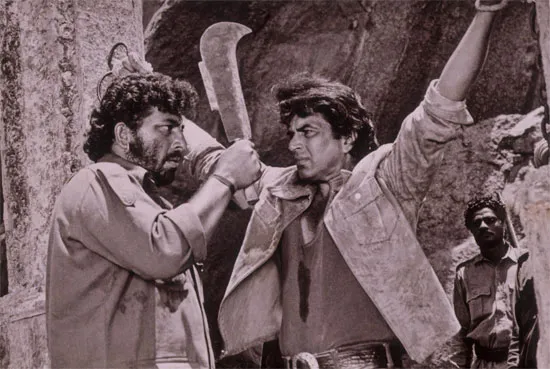
The most talked-about feature of the restoration is the “original ending” that had been subject to censorship cuts in 1975 and in subsequent prints. Contemporary reporting says the Final Cut restores that climax, reshaping the emotional arc of Thakur, Gabbar, and the villagers’ revenge sequence. Critics and viewers are already debating how the restored ending affects the film’s moral balance: does it harden the film’s retributive impulses, or give greater narrative closure to characters who previously felt truncated by cuts? Ramesh Sippy himself has commented publicly that he would not remake Sholay and has been cautious about tinkering with the film — but he supported the archival restoration as a preservation effort.

Why restoration matters: preservation, not just nostalgia
Film restoration is not merely nostalgia; it’s an act of cultural preservation. The original camera negatives of Sholay suffered from vinegar syndrome and other physical deterioration (a common fate for 1970s cellulose film stock). Restorers at Film Heritage Foundation documented severe damage that required painstaking cleaning, digital interpolation, and color-matching to bring the images back to life. The restoration preserves not only the images but also cinematic techniques, performances, and the texture of 1970s Indian film craft for future generations.
Public & critical reaction so far
Reactions have been a blend of nostalgia, critical curiosity, and vigorous debate. Fans are excited to hear restored dialog, see new footage, and experience the film on large screens again. Critics and film scholars are using the restored print to re-examine Sholay in light of contemporary discussions about representation, violence, and the ethics of cinematic vengeance. Some reviewers emphasize how the Final Cut recontextualizes certain characters; others note that the film’s mythmaking power remains intact even when the original ending adds new tonal complexity.
The cultural moment: why 2025 is the right year for a Final Cut
The 50th anniversary is a natural time to revisit foundational texts. Sholay’s influence extends beyond the screen into advertising, politics, and everyday speech — from its iconography (Gabbar’s laughter) to lines still quoted widely. In 2025, with film preservation conversation gaining traction in India and globally, the Final Cut functions both as celebration and as a reminder of the fragility of celluloid heritage. The re-release also serves as a moment to mourn and celebrate cast and crew whose lives and legacies have shifted since 1975.

How to cover the Final Cut (for bloggers & publishers) — SEO & content ideas
If you plan to cover sholay on your site, here are high-value, shareable angles:
- Explainer: “What’s different in Sholay: The Final Cut (original ending explained).”
- Technical deep-dive: “How the 4K restoration rescued Sholay’s original negatives.”
- Cultural analysis: “Sholay at 50 — how the film shaped modern Bollywood storytelling.”
- Listicle: “10 iconic Sholay moments that still haunt Indian cinema.”
- Event coverage: “Festival screening review / Q&A highlights with restorers.”
Use the exact keyword sholay in title tag and H1 once, then use natural variations throughout — e.g., “Sholay Final Cut,” “Sholay 50th anniversary,” and “Sholay restored 4K.” Include authoritative citations (restoration body, festival pages, director quotes) for the key factual claims.