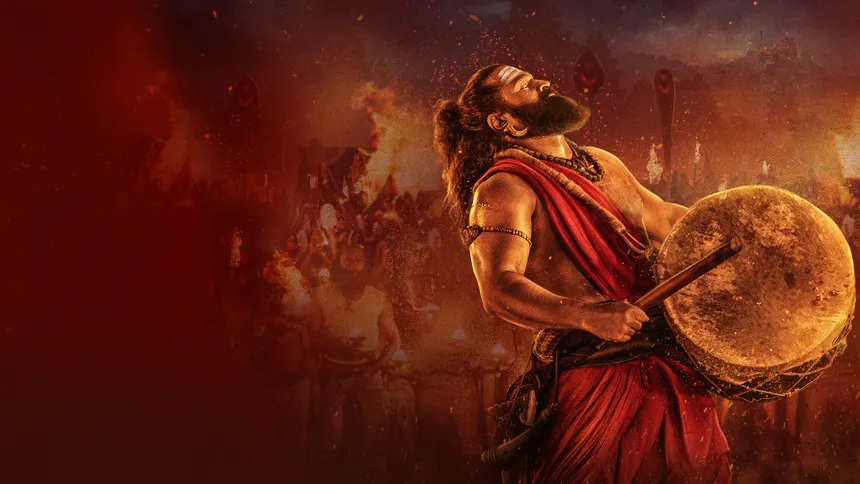
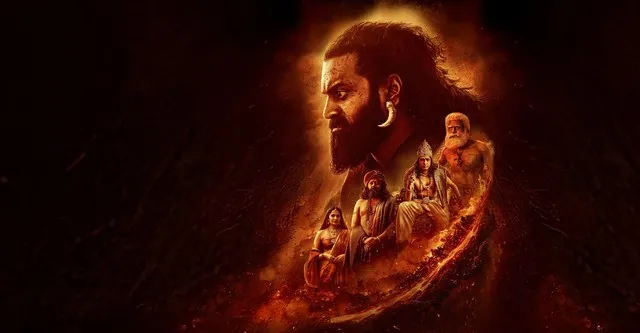
When a regional film becomes a national conversation, you know something rare has happened. Kantara A Legend Chapter 1 arrived in 2025 as more than a sequel or prequel — it was a cinematic event that revived interest in coastal Karnataka’s living folklore and brought a regional ritual into mainstream pop culture conversation. The film’s blend of ritual, raw action, and earthy storytelling cemented its place not only in the Kannada film canon but also on pan-Indian charts. If you’re searching for Kantara A Legend Chapter 1, this guide covers everything: plot beats, production notes, box-office milestones, controversies, streaming details, and why the film matters.
Quick synopsis (no spoilers)
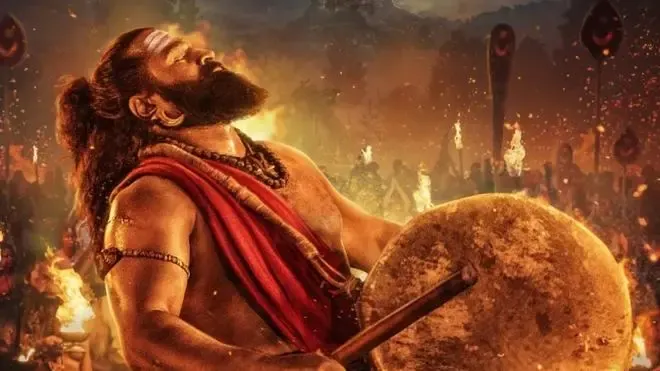
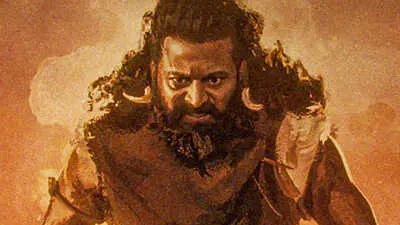
Set before the events of the 2022 original Kantara, this prequel traces the origin story of the Buta (spirit) traditions and the human conflicts that shape them. The narrative moves between village life, ritual performances, and sequences that reveal the roots of the land-versus-man tensions central to the Kantara universe. Rishab Shetty returns in a pivotal role, supported by a cast that includes Jayaram, Rukmini Vasanth, and Gulshan Devaiah, delivering performances keyed to ritual realism and visceral stakes.
Trailer
Why the film mattered: folklore, identity, and scale
Kantara A Legend Chapter 1 hit a nerve because it does two things at once. First, it dramatizes a living cultural practice — the Buta/Bhoota rituals — with a level of detail that invited curiosity and debate among urban and rural audiences. Second, it wrapped that cultural specificity in the kind of visual and narrative scale normally reserved for pan-Indian blockbusters. The result: people who’d never seen a Tulu ritual on film suddenly found themselves researching it, debating representation, and showing up to screens in droves.
Production: craft, music, and distribution
Directed and written by Rishab Shetty and produced by Hombale Films, the film leaned on authentic production design, location work in coastal Karnataka, and a soundtrack that fused tribal rhythms with cinematic orchestration. Composer B. Ajaneesh Loknath returned to craft a score that anchors the film’s ritual energy. Filming wrapped in 2025 and the film released theatrically on October 2, 2025 — timed around Gandhi Jayanti and Vijayadashami to capture festival audiences. Multiple formats (IMAX, 4DX, Dolby Cinema) and dubbed versions in Hindi, Tamil, Telugu and Malayalam broadened the film’s reach.
Box office: records and reach
From its first weekend the film behaved like a blockbuster. Reports in trade coverage placed the opening and early weekend collections in the hundreds of crores, and within weeks it entered lists of the highest-grossing Indian releases of 2025. By late October 2025 the film had crossed landmark figures that positioned it among the top earners for the year and for Kannada cinema overall. (Box office numbers vary by source; initial industry tallies reported exceptionally strong multi-language performance.)
Critical reception — what reviewers and audiences said
Critics widely praised the film’s production scale, its immersive depiction of ritual, and Shetty’s vision for expanding the Kantara universe. Audiences responded enthusiastically to the film’s blend of spectacle and cultural texture. Praise focused on the immersive world-building and set-pieces, while some commentary raised questions about representation and the line between celebration and commodification of ritual traditions — conversations that the film actively sparked.
OTT and satellite lifecycle
After a robust theatrical run, the film moved to OTT: digital rights were reportedly secured by a major platform, with streaming beginning in late October 2025 for many regional versions and a later Hindi dubbed rollout in November 2025. Satellite rights were also sold to a national television network, giving the film continued reach beyond cinemas. These fast OTT windows show how the producers combined theatrical prestige with streaming accessibility.
Controversies & cultural sensitivity
With cultural visibility came controversy. High-profile incidents — including a widely reported episode where an actor’s imitation of a Kantara ritual moment created backlash — reminded audiences how tightly cultural rituals are tied to lived beliefs. Some groups lodged formal complaints, and public apologies followed. These episodes underline the delicate balance filmmakers walk when representing active religious practices: artistic homage can quickly be read as appropriation or mockery if context and respect are perceived to be missing.
Why marketers, creators, and film students should study Kantara A Legend Chapter 1
For content creators and marketers, Kantara’s success is a case study in three tactics:
- Rooted storytelling — strong local specificity (ritual, dialect, landscape) can scale if paired with universal themes like human-nature conflict.
- Hybrid distribution — leveraging festival timing, multi-format theatrical release, and rapid OTT windows maximizes both prestige and volume.
- Cultural stewardship — the film’s controversies show that building cultural goodwill matters; genuine collaboration with local communities pays dividends in reception and authenticity.
Authoritative sources to cite & monitor
(Use these for fact checks, images, and official statements.)
- Wikipedia — overview and production/release timeline.
- Times of India — cultural context and controversy reporting.
- IMDb — credits, runtime, and cast listings.
- National papers (e.g., The Hindu / Hindustan Times) — release announcements and interviews.
- Amazon Prime Video press pages or platform listing — OTT release windows and language/region availability.
Final thoughts
Kantara A Legend Chapter 1 is a vivid example of how regional stories, told with craft and ambition, can cross language and cultural borders. Whether you care about box office, folklore authenticity, or marketing mechanics, the film gives a lot to study — and its cultural ripple effects show that cinema remains one of the most powerful ways to surface and debate tradition in a modern world.